Union Budget 2026: Strategic Expectations to Accelerate India’s Growth Story
As India progresses steadily toward its ambitious Viksit Bharat vision, Budget 2026 emerges as a defining moment to accelerate the country’s next phase of economic transformation. The Union Budget 2026 is expected to play a pivotal role in enhancing India’s competitiveness, productivity, and fiscal resilience while creating an enabling ecosystem for businesses to scale sustainably and confidently.
At Uniserve Business Solution, we view Budget 2026 as a catalyst for structural reforms, sector-specific incentives, and policy clarity that can unlock new engines of inclusive and sustainable growth. Drawing inspiration from leading industry perspectives, the expectations from Budget 2026 reflect a comprehensive roadmap for strengthening India’s economic foundation.
Economic Priorities under Budget 2026
The Union Budget 2026 is expected to address macroeconomic challenges while preparing India for global uncertainties. Key focus areas include:
Supporting MSMEs to mitigate trade-related uncertainties
Securing critical minerals and ensuring access to alternative energy resources
Attracting long-term foreign capital through stable and predictable policy frameworks
These measures can help strengthen India’s resilience and reinforce its position as a preferred global investment destination.
MSME Sector: Strengthening the Backbone of the Economy
The MSME sector remains central to employment generation and industrial growth. Budget 2026 may focus on:
Strengthening MSME capacity at the grassroots level
Expanding access to affordable and diversified financing channels
Incentivising and subsidising memberships in industry bodies and trade associations
Such initiatives will empower MSMEs to integrate more effectively into global value chains.
Direct Tax Expectations in Budget 2026
Budget 2026 is likely to propose reforms that simplify compliance and enhance India’s attractiveness for emerging industries:
Rationalisation of withholding tax provisions
Clarification on Significant Economic Presence (SEP) for international taxation
Incentives for high-growth sectors such as R&D, renewable energy, and Artificial Intelligence
Indirect Tax and GST Reforms
The Union Budget 2026 may focus on improving working capital efficiency and ease of doing business through:
Unlocking blocked working capital under GST
Liberalisation of export procedures
Administrative simplifications for faster compliance and dispute resolution
Personal Tax Reforms under Budget 2026
For individuals, Budget 2026 is expected to provide meaningful relief and clarity:
Clarification on taxation of stock options for cross-border employees
Rationalisation of car perquisite valuation for electric vehicles
Allowing foreign tax relief at the withholding stage
Enhancement of standard deduction for salaried employees, potentially increasing it to INR 1 lakh to counter inflation
Allowing deduction of housing loan interest on self-occupied property even under the new tax regime
These reforms can significantly boost disposable income and housing affordability.
Agriculture and Allied Services
Budget 2026 may strengthen India’s agrarian economy by:
Mitigating global tariff risks through market diversification
Promoting climate-resilient and regenerative farming practices
Scaling Digital Public Infrastructure (DPI) frameworks for agriculture
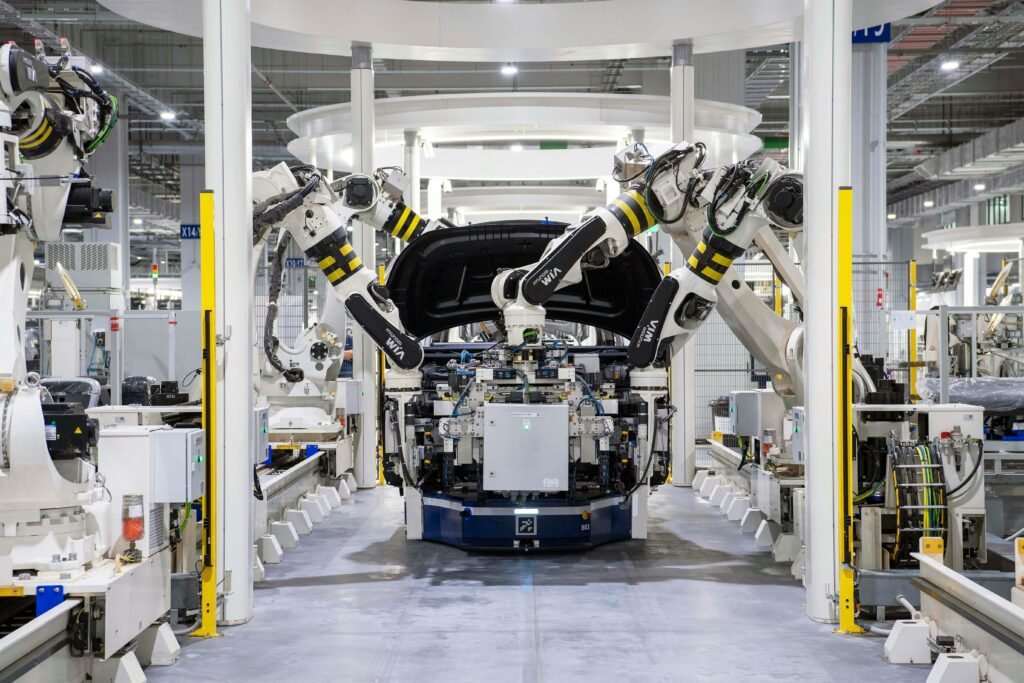
Automotive and Electric Mobility
To boost EV adoption and manufacturing, Budget 2026 expectations include:
Clarification on Compensation Cess to ease working capital pressures
Resolution of Inverted Duty Structure (IDS) for EV manufacturers
Streamlined customs classification for automobiles and components
Consumer Goods and Retail
Key expectations from Budget 2026 include:
Tax incentives for healthy FMCG products and sustainable packaging
Neutral tax treatment for post-sale discounts
Inclusion of ITC on input services in IDS refund calculations
Financial Services
The Union Budget 2026 may:
Allow deduction of Head Office expenses for foreign banks
Strengthen IFSC GIFT City as a global financial hub
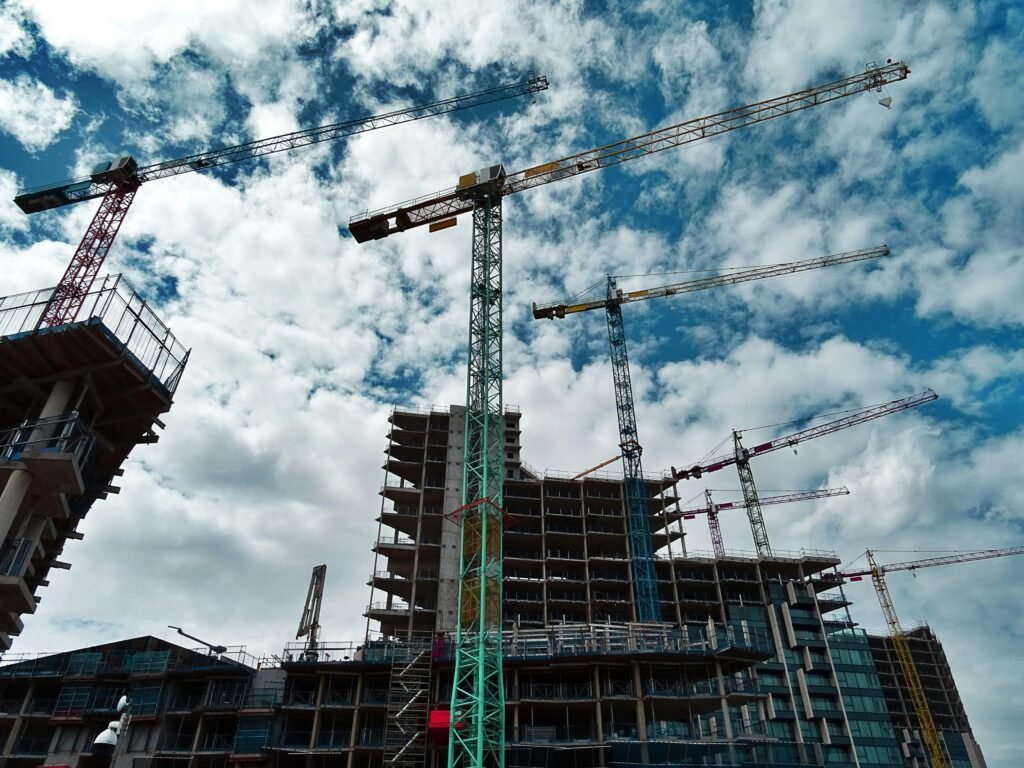
Infrastructure Development
Infrastructure is expected to remain a core theme of Budget 2026, focusing on:
Re-evaluating concession agreements and BOT models
Establishing structured asset monetisation plans
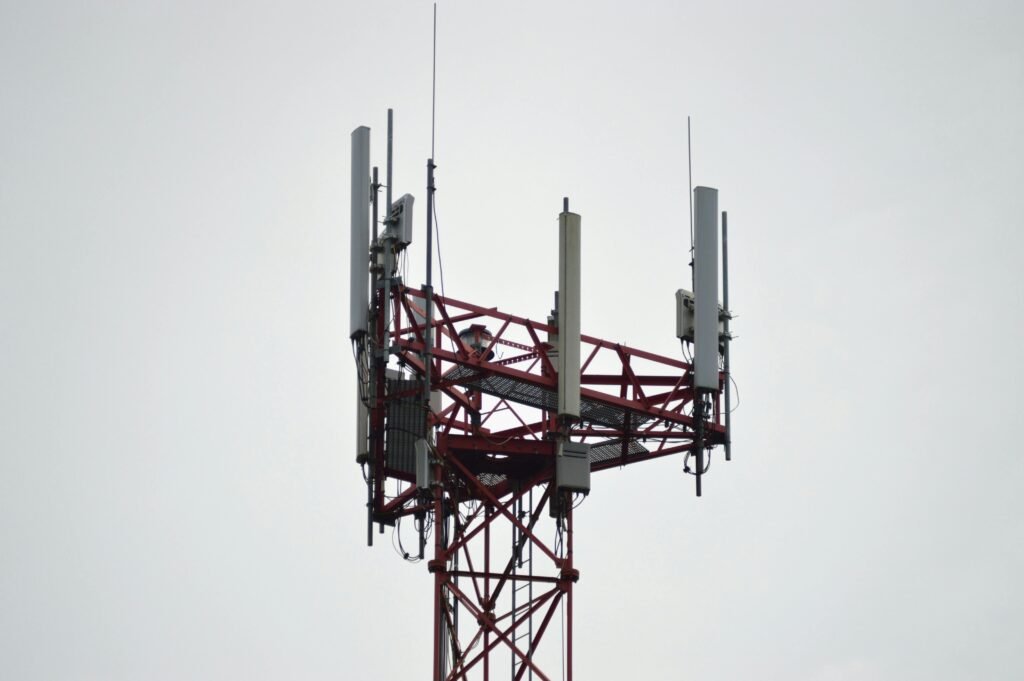
Incentivising digital infrastructure such as data centres, fibre networks, and telecom towers
Artificial Intelligence and Data Infrastructure
Budget 2026 is expected to boost India’s AI ecosystem through:
Development of robust AI data centre infrastructure
Incentives for sustainable data centre operations
Promotion of AI-focused project-based learning
Technology, Media & Telecommunications
Budget 2026 may introduce:
Relaxation in Safe Harbour margins for IT/ITES
Faster and streamlined APA and MAP procedures
Legislative clarity on taxation of Intellectual Property Rights (IPR
GST and Legislative Amendments
Budget 2026 is expected to introduce crucial GST reforms:
Amendment to Place of Supply for Intermediary Services (Section 13(8)(b), IGST Act) Shifting the place of supply to the recipient’s location will align taxation with the destination-based principle.
Amendment to Post-Sale Discounts (Section 15(3)(b), CGST Act) Removing invoice-linking conditions will increase flexibility and ease compliance.
Provisional Refunds for Inverted Duty Structure (Section 54(6), CGST Act) Faster refunds will enhance liquidity and reduce working capital stress.
Conclusion
Budget 2026 has the potential to redefine India’s economic trajectory by strengthening core sectors, encouraging innovation, improving tax efficiency, and accelerating digital transformation. A well-calibrated Union Budget 2026 can serve as a powerful instrument to balance growth, fiscal discipline, and social inclusion.
At Uniserve Business Solution, we believe Budget 2026 should focus on policy stability, ease of doing business, and forward-looking reforms that enable India to emerge as a globally competitive, digitally empowered, and economically resilient nation. With the right mix of incentives, clarity, and structural reforms, Budget 2026 can truly become the cornerstone of India’s journey toward Viksit Bharat.